
The Browser Was the Interface. Now the Interface Thinks.
The Browser Is Becoming the Brain of the Web

When Atlassian announced a $610M acquisition of The Browser Company in September, most observers shrugged. A few weeks later, OpenAI launched ChatGPT Atlas, a new browser built around its conversational agent. Those two events define a pivot point in the history of computing. A piece of software that once existed to display the web has started to interpret it.
For thirty years the browser served as a neutral layer between humans and the network. Now the browser is becoming the most strategic surface in technology again. Whoever redefines that surface, whether OpenAI, Atlassian, or another entrant, will control how intelligence moves across the web.
A Short History of Attention Architecture
Mosaic arrived in 1993 and opened the web to the public. Marc Andreessen and Eric Bina built a tool that rendered images and text in one window, ending the command-line era of browsing. Netscape Navigator commercialized the idea, then Microsoft bundled Internet Explorer with Windows. Google Chrome later won the performance war and captured the default.
Each generation improved speed and usability but kept the same premise: a human opens a window, types a query, clicks links, reads. The architecture of the web rewarded navigation and attention.
Search engines, ad networks, recommendation feeds, they all grew from this single design loop. The browser became the gateway, but not the actor. Humans performed the labor of browsing; algorithms optimized the scenery.
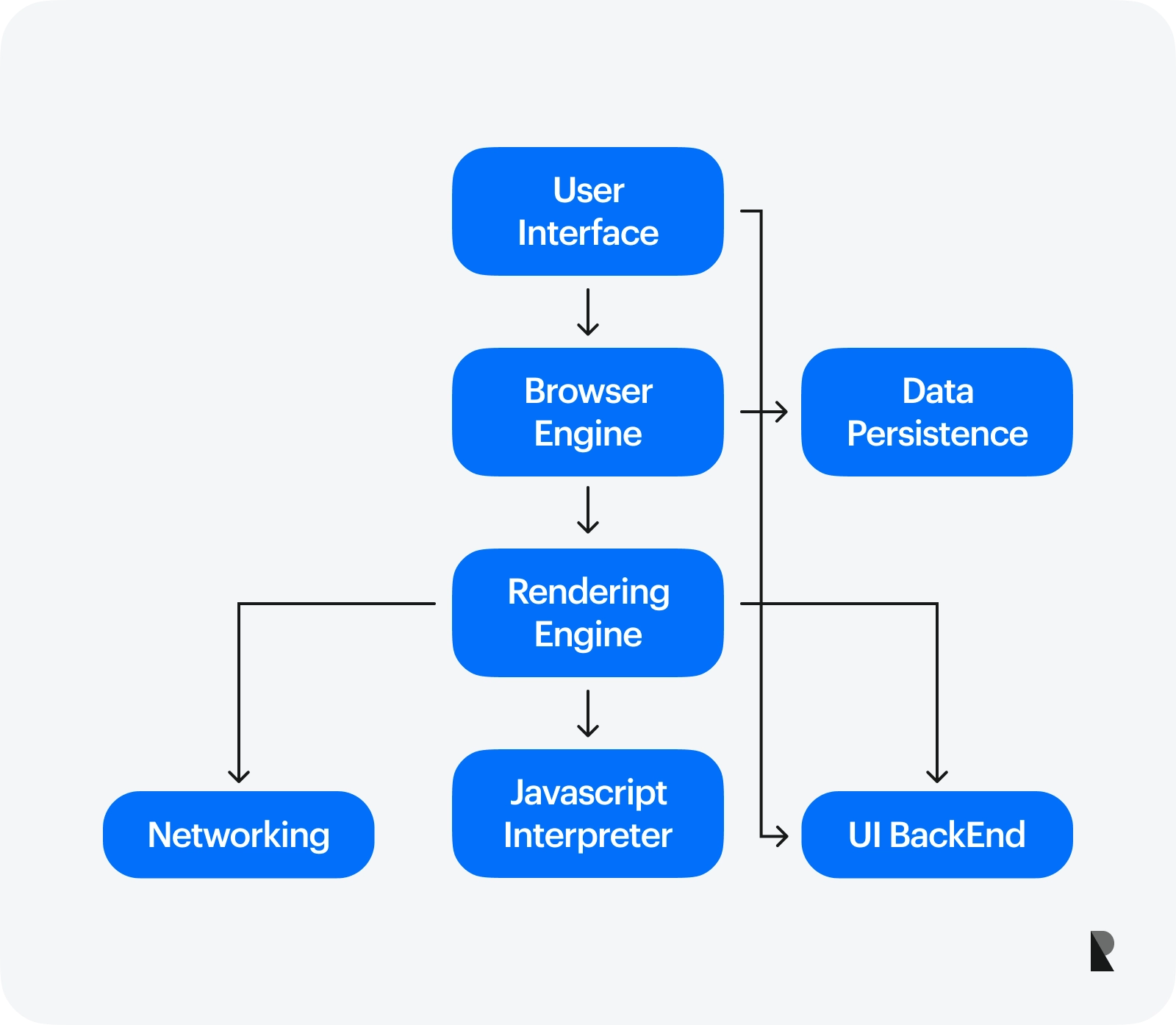
Why Agents Emerged Here and Now
Two pressures aligned:
Cognitive overload. The web now spans billions of pages, dynamic applications, nested accounts, paywalls, logins, and content gates. Manual browsing cannot scale.
Mature perception models. Agents can parse text, images, and interfaces, creating an illusion of generalized understanding.
Economic fatigue. Attention has plateaued. A new growth frontier demands automation, not engagement. Agents promise productivity rather than distraction.
Strategic control. Owning the interface means owning the flow of data. Every AI company wants that position. The browser remains the most universal entry point to the internet.
The convergence of these forces produces the current browser race: a contest not over rendering speed, but over delegation.
The Internet’s Hidden Problem
Despite the excitement, the web’s design resists agency. Architecturally the internet resembles a historical city, with layers of old protocols patched onto one another, no central zoning. HTML evolved for humans reading paragraphs, not for machines performing transactions.
Agents must decode unpredictable layouts, dynamic DOM trees, and anti-bot defenses. Each page presents a slightly different grammar. No uniform affordance exists for goal-driven interaction.
The problem is cultural too. The web’s economy depends on presence: ad impressions, scroll depth, dwell time. An agent that summarizes content undermines those metrics. Web culture evolved to monetize wandering, not completion.
From the viewpoint of AI engineering, the web resembles a labyrinth of inconsistent endpoints rather than a stable information graph. Agents require precision; the web rewards entropy.
Let’s discuss Perplexity, for example. It earned attention by doing something Google never did: answering questions directly, with sources attached, instead of burying information under ads and blue links. The experience feels less like searching and more like talking to an assistant that actually reads. That clarity made Perplexity a credible experiment in what an “agent browser” could become. Its new project, Comet, pushes that idea further, merging querying, browsing, and reasoning into one loop.
Meanwhile, Parag Agrawal, former CEO of Twitter, has launched Parallel Web Systems, a startup building infrastructure for a machine-readable internet. The company envisions agents that can navigate and transact through structured protocols rather than human-designed pages. An internet built for software that thinks, not people who click.
The Valley’s Take
A handful of new startups are articulating that vision and building the layers of infrastructure for an agent-first web.
Structured interfaces form the first building block.
Startups like Parallel (which offers deep-research APIs built specifically for agents) bypass decorative HTML by exposing machine-readable data and workflows tailored for software actors rather than human readers. Another example: Fellou, which describes itself as “the world’s first self-driving browser” able to execute multi-step workflows across apps and websites. These companies argue that the web cannot remain a collection of human-centric pages if agents are to operate reliably.
Trust frameworks are emerging as the second layer.
Agents that navigate login flows, enter data, transact, or act on behalf of users require verifiable credentials, scopes, accountability. One relevant startup: H Company (based in France) which has released “Surfer-H-CLI”—a browser agent toolset that interacts with the web via defined intents and permissions. The logic: unless the web provides formal signalling of what an agent may do and under what conditions, automation remains brittle and risky.
Economic realignment forms the third front.
The current web economy hinges on human presence: page-views, clicks, scroll depth. But agents change the currency: completion of tasks, verified data exchange, action outcomes. A startup like StackAI (a no-code agent platform) raised $16M to build agents across industries where clicks do not suffice (e.g., construction, insurance) thereby surfacing alternate value metrics. Their business model hints at what an agent-first economy might look like: value delivered minus human browsing.
New standards bodies and protocols represent the penultimate layer. The original web was shaped by the World Wide Web Consortium (W3C). The next era likely demands an “agent-web” consortium defining protocols for intent declaration, permissions, provenance, agent logging, audit trails. Some startups already talk explicitly about building “web for agents” systems rather than human-first webs. Parallel again positions itself for “search built for AIs” rather than humans.
Without the convergence of these shifts (structured interfaces + trust frameworks + economic realignment + standardisation) agent-driven browsers remain fragile. They become overlays on a web never built for autonomy.
Brain of the Web
The browser began as an interpreter between human and machine. Three decades later the interpreter gains its own mind. OpenAI’s Atlas, Atlassian’s bet, and the wave of AI-integrated browsers mark the re-centralization of power around that thin strip of interface code.
Architecturally, the web must evolve from human-readable documents to agent-readable systems. Culturally, the transition forces society to reconsider what participation means when software navigates in place of people.
The web that Andreessen helped build turned attention into capital. The next web may turn agency itself into currency.
Curious how others see this shift. The browser used to be plumbing… What does that mean for builders?